Monday–Friday / 8 am to 5 pm
 EN
EN
 Turkish
 German
Monday–Friday / 8 am to 5 pm
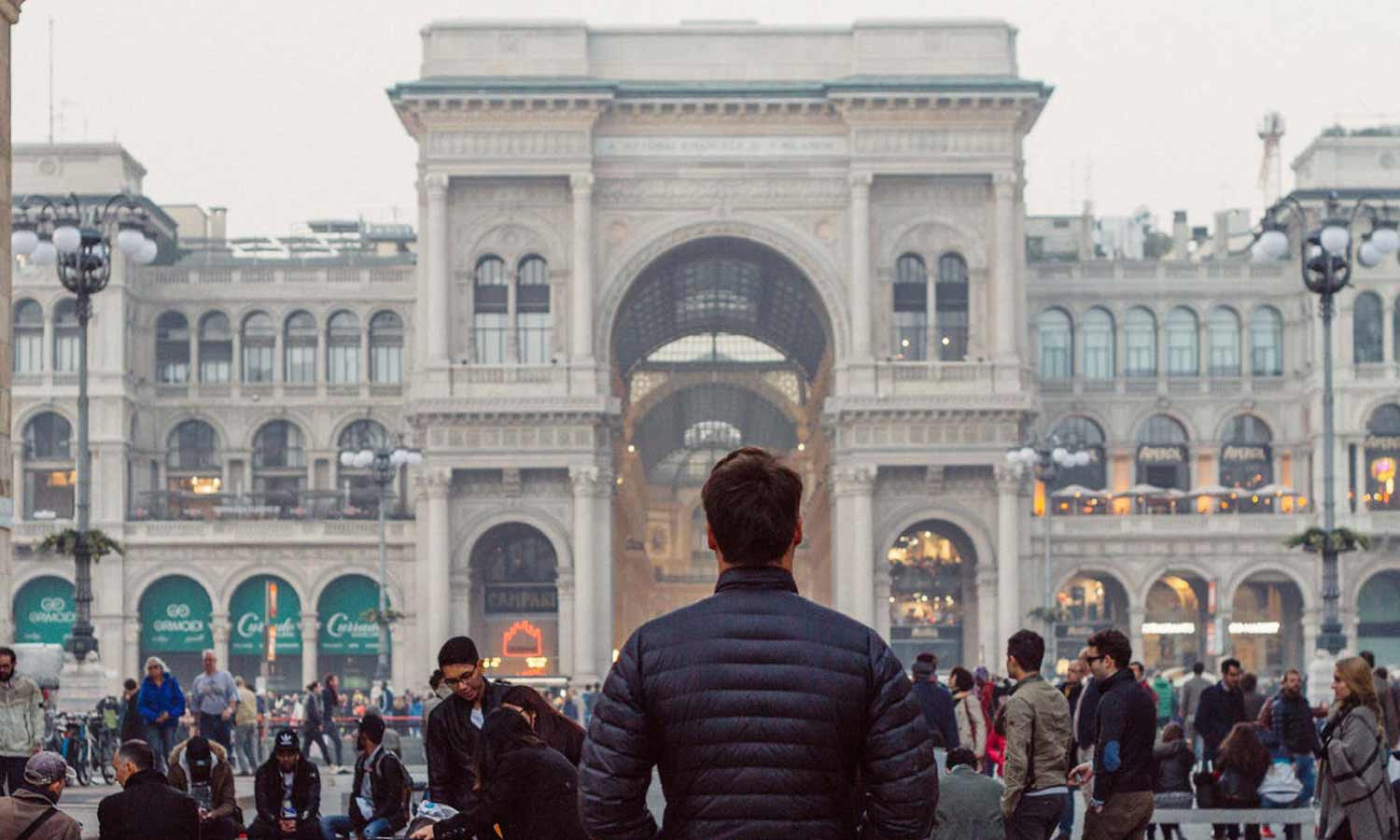
Istanbul, a Monday morning. Between old buildings and glass façades, young people in trainers and backpacks rush onto the underground. They work in start-ups, international corporations, NGOs – and they have one thing in common: They are part of a generation that is quietly, yet sustainably, reshaping Turkish work culture.
Where hierarchy, loyalty, and duty once dominated, values like self-determination, flexibility, and purpose now define the professional everyday life. The Turkish world of work is experiencing a generational transition – not as a break, but as an evolution between tradition and modernity.
Just 20 years ago, authority was considered the core of good leadership. The manager decided, provided, and protected – often paternalistically, but with a sense of responsibility. In this mindset, leadership always had a moral dimension: those at the top cared for those below.
The younger generation is reinterpreting this role. Today, a good leader is someone who communicates, inspires, and listens. Someone who doesn't just set targets but imparts purpose.
Hybrid leadership styles are emerging in many companies: they combine the care of traditional hierarchy with the dialogue-orientation of modern team cultures. This mix proves particularly productive in German–Turkish contexts. Leadership succeeds where it provides a clear direction – but allows room for co-determination.
The parental generation often worked with the goal of achieving security and advancement. A secure job, a respected company, a safe standard of living – these were ideals that also signified social standing.
For Generation Z, other things count: flexibility, self-fulfilment, work-life balance. Many young professionals reject rigid structures. They look for projects, not positions; impact, not titles. This doesn't mean they are less ambitious – on the contrary: they want to connect their performance with purpose and take on responsibility where they have creative freedom.
This attitude forces organisations in Türkiye to rethink their HR strategies. Where loyalty was once assumed, they must now actively foster a sense of belonging – through trust, transparency, and individual development opportunities.
The young Turkish generation grew up in a world that is simultaneously modern and traditional. They know TikTok and tea houses, Remote Work and Ramadan, start-ups and family businesses. This "both-and" approach is not a contradiction, but a strength.
Many young people combine the global mindset of a digitised world with the relationship values of Turkish culture: closeness, empathy, and loyalty. They want international career paths but do not want to abandon their cultural identity. This is evident in how they cultivate networks, question leadership, and live collaboration: openly, cooperatively, and relationally focused.
The shift in work culture also mirrors broader social dynamics. Topics like equality, diversity, sustainability, and mental health are now part of corporate debates in Türkiye. The younger generation discusses them with an openness that earlier generations often avoided.
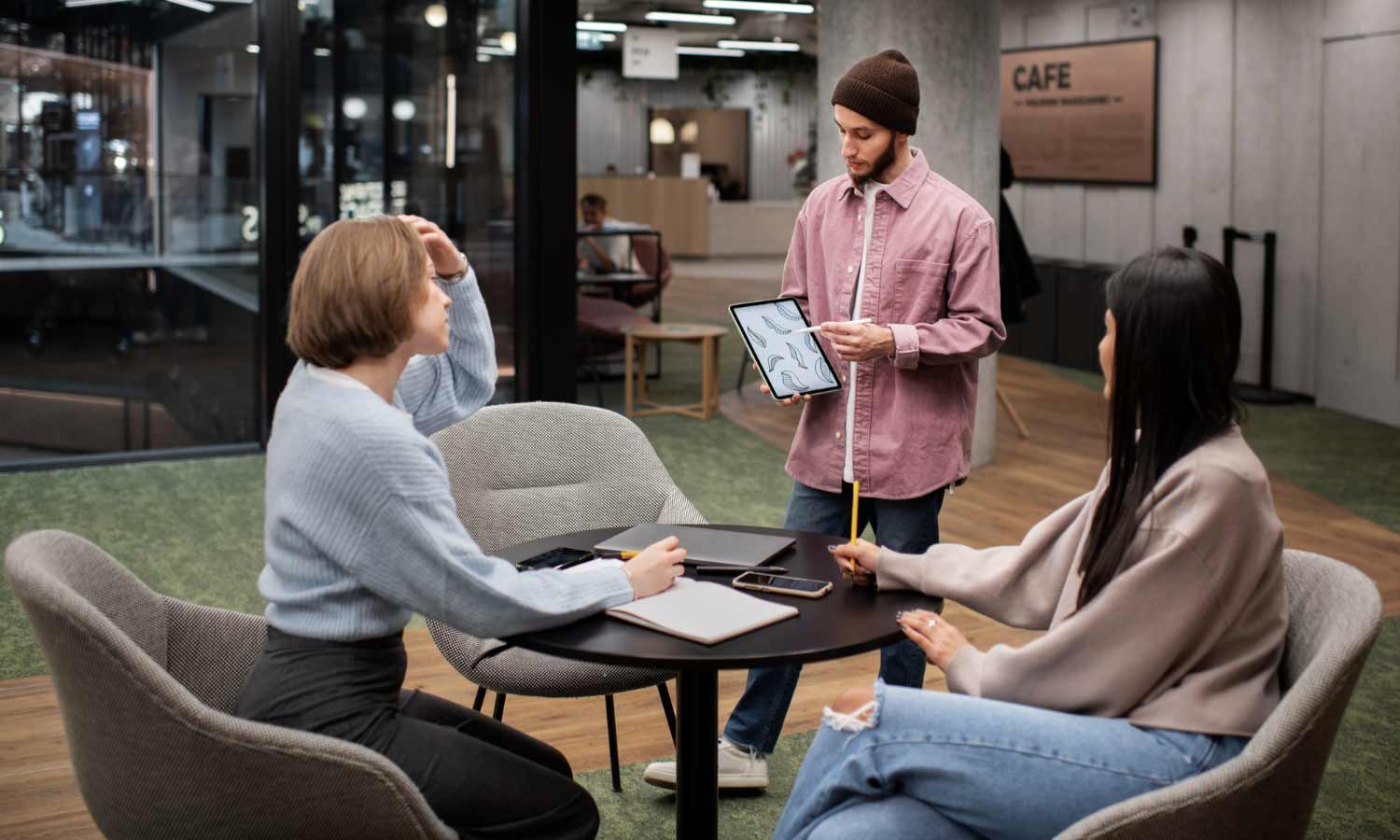
In metropolises like Istanbul, Ankara, and Izmir, new business models are emerging – co-working spaces, social businesses, and international collaborations where values like transparency, trust, and participation are becoming standard. Simultaneously, the tension between traditional expectations and new ideals remains palpable: many young professionals navigate the demands of family, the requirements of the market, and the pursuit of personal freedom.
For executives who grew up in traditional systems, this transition is often a challenge. The old formula "Authority = Respect" is losing its effectiveness. Respect is now earned through competence, authenticity, and leadership attitude. This requires courage–and a new understanding of trust.
To retain young employees, leaders must trust them to take responsibility. Control is being replaced by dialogue, presence by trust, status by purpose. Where this transformation succeeds, something new emerges: a modern, self-confident Turkish work culture that remains globally competitive while preserving its cultural depth.
The younger generation in Türkiye stands at a point where two worlds meet – the reliability of traditional values and the courage for change in a globalised future. This dialogue is shaping the work culture of tomorrow – emotional, flexible, and diverse.
For international companies operating in Türkiye or working with Turkish teams, this is a huge opportunity: those who understand this generation gain employees who are loyal, creative, and culturally intelligent. Because they don't think "either/or" – they think "both/and."
Our trainings empower professionals to understand cultural dynamics, adapt their leadership style, and foster effective, trust-based collaboration across borders.

@ 2025 Unite Cultures. All rights reserved.
We build connections, foster deep understanding, and pave the way for sustainable and successful collaboration between Germany and Türkiye