Monday–Friday / 8 am to 5 pm
 EN
EN
 Turkish
 German
Monday–Friday / 8 am to 5 pm
Migration changes societies – slowly, profoundly, and often unseen. It moves not just people, but also ideas, values, mindsets, and routines. And while politics and media debate integration, belonging, or "parallel societies," something much more fundamental is happening: Cultures are changing – mutually.
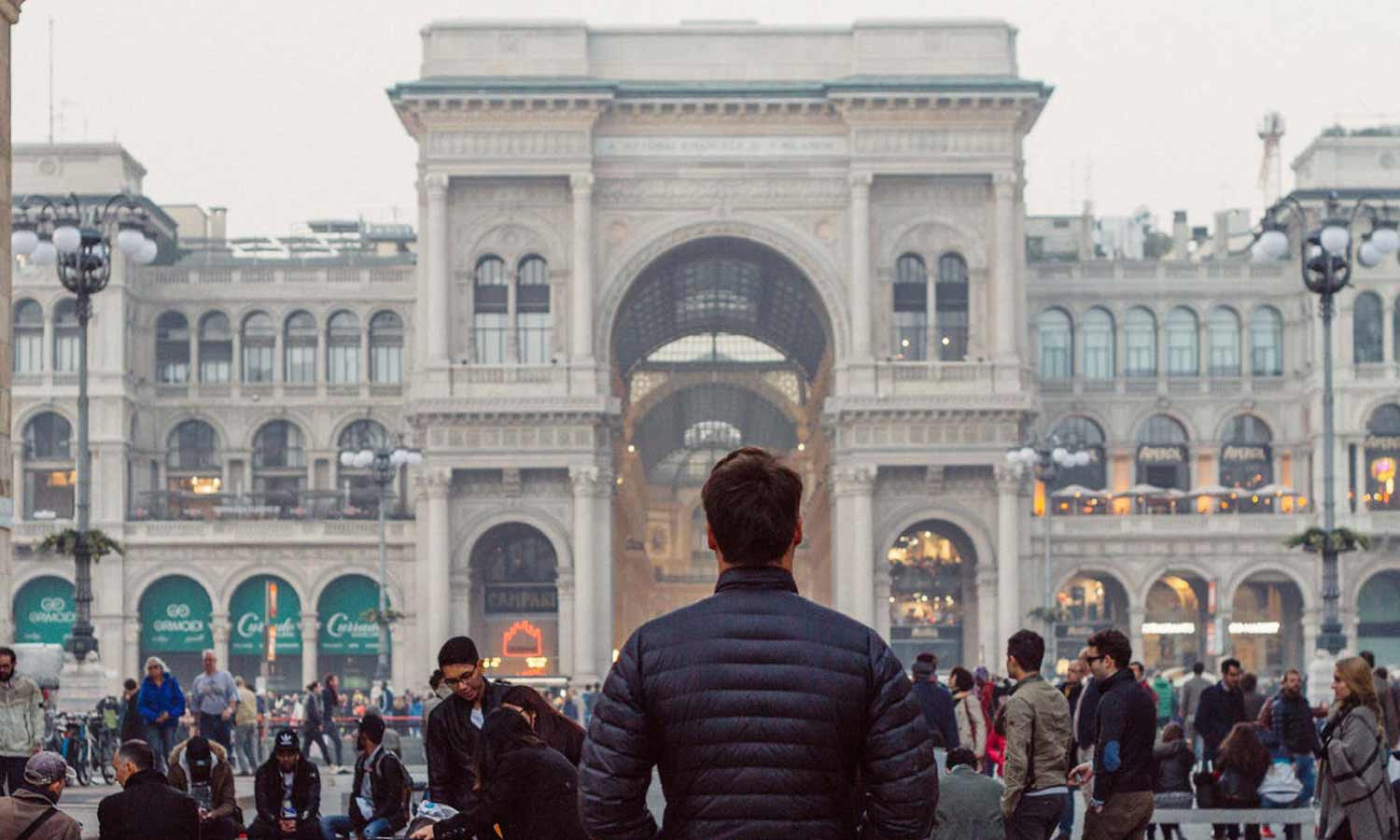
For a long time, culture was viewed as something stable, almost a container: you either "belong" or you do not. Yet, in the age of global mobility, identity is no longer a place, but a process. People who live between cultures develop a kind of "cultural polyphony" – they speak not only multiple languages but also multiple cultural dialects. They are neither fully "here" nor completely "there," but move fluidly between worlds.
In our training programmes, we see that these individuals are often the most effective mediators in international teams: they translate not just language, but meaning. They are sensitive to nuances, ambiguities, and unspoken expectations.
Adaptation is often understood as a unilateral process – a demand that "immigrants" must adjust. But cultural adaptation is never linear. It is reciprocal: both sides change – consciously or unconsciously.
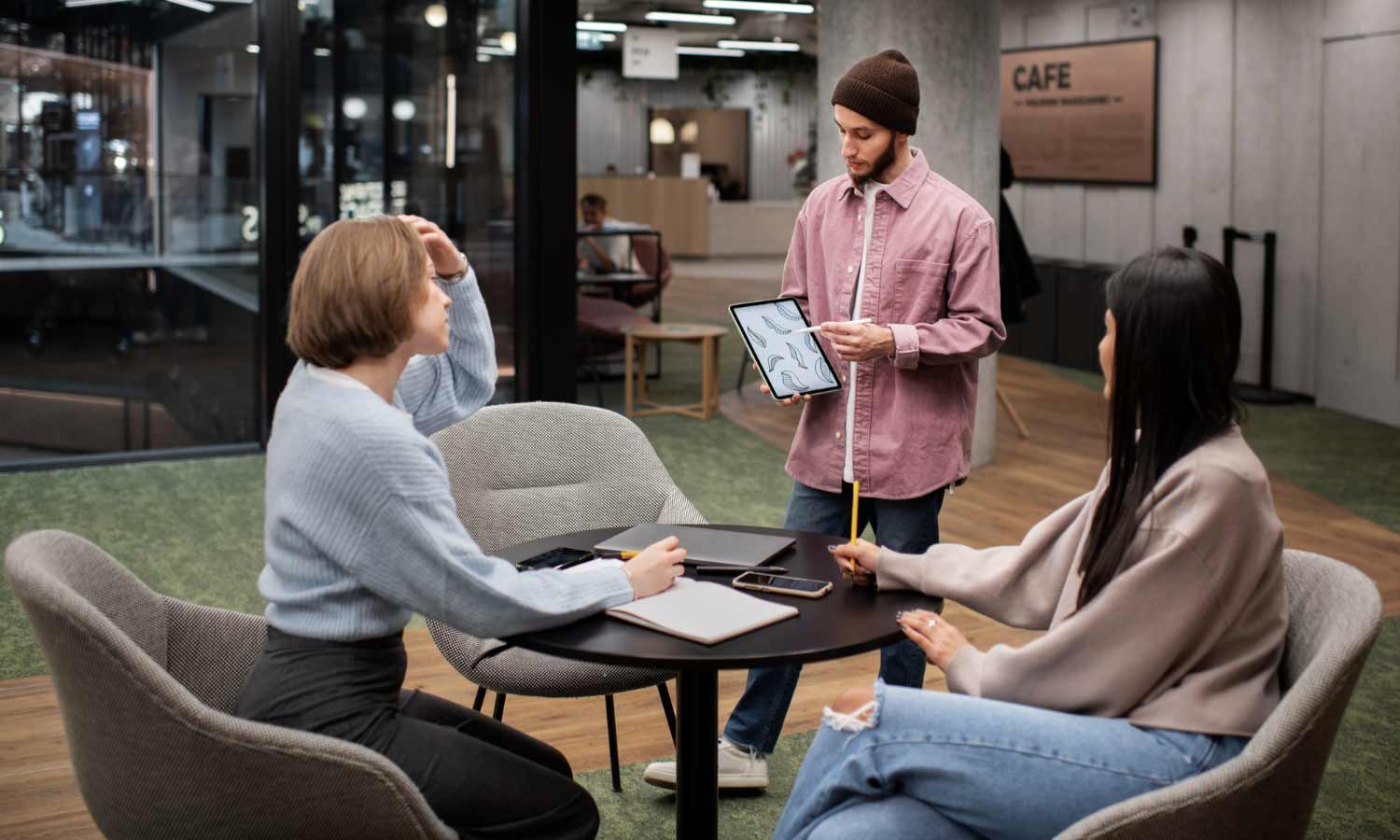
German companies working with Turkish professionals often unconsciously adopt new communication patterns: more flexibility, more social warmth. Conversely, Turkish professionals adapt German structures, decision-making processes, and efficiency logics. This creates not cultural loss, but cultural transformation – a subtle, invisible exchange that keeps societies vibrant. Migration doesn't rewrite culture – it writes it forward.
Every cultural identity is powered by two forces: the desire for security and the need for development. Migration brings these tensions to the surface. Those who move culturally must constantly negotiate:
In practice, we observe that this very negotiation leads to a new form of cultural maturity. People who live across two cultural logics for years develop a marked capacity for ambiguity tolerance – they can manage contradictions without immediately needing to resolve them
This competence is becoming increasingly invaluable in global work environments: because the future belongs not to those who merely adapt, but to those who can mediate between worlds.
Migration signifies not only the movement of people but also of ideas. It generates creativity, forces systems to reflect, and makes organisations more resilient. Cultural diversity is not a challenge, but an engine for innovation – if one learns to understand and leverage it.
In our work at Unite Cultures, we see that companies that do not just tolerate diversity, but strategically foster it, are more successful in the long term. By integrating cultural diversity, they gain not only perspectives but future viability.
Culture is not a finished book to be preserved, but a living manuscript that is constantly being written–by people who cross borders. Migration is the pen with which new chapters are created. And identity is the paper that withstands change. In this sense, cultural adaptation is not a loss, but proof of humanity's ability to connect without giving up the self.
Our trainings empower professionals to understand cultural dynamics, adapt their leadership style, and foster effective, trust-based collaboration across borders.

@ 2025 Unite Cultures. All rights reserved.
We build connections, foster deep understanding, and pave the way for sustainable and successful collaboration between Germany and Türkiye